A hair transplant not only restores your hair but also your confidence for the rest of your life. Whether you choose the traditional FUT (Follicular Unit Transplantation) or advanced FUE (Follicular Unit Extraction) approach, their success hinges on the aftercare plan you follow.
Many people planning a hair transplant in Gurgaon think that getting surgery done is the hardest part of their journey. But, not taking post operative care and precautions can impact their surgery outcome.
Experienced hair restoration surgeons in Gurgaon often state that the recovery period of a hair transplant is equally important and hard as the surgery itself. Any wrongdoing or neglect of essentials can reduce one’s graft survival chances and lead to poor-quality, low-density hair growth.
So, here we are to help you achieve and maintain healthy, thicker, natural hair growth. This article about the dos and don’ts following a hair transplant can guide you.
Why a Proper Aftercare Plan for Hair Transplant Matters?
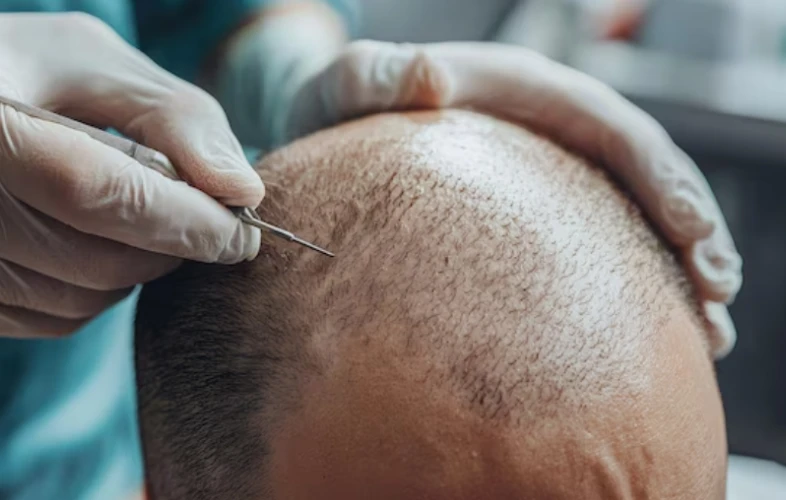
In a hair transplant surgery, individual hair follicles are carefully removed from the back of the scalp, where hair is resistant to DH-T, using either the strip method or the direct extraction approach. And, the viable hair follicles are precisely implanted into the hair-thinning or bald areas. The transplanted hair follicles are highly sensitive to influences or damage during the first 2 weeks of recovery.
At the initial phase of recovery and even in the later part of healing, not being diligent with the post-transplant care instructions can result in:
- Dislodging of the implanted grafts
- Poor final hair density; patchy hair growth
- Infection
- Swelling
- Delayed healing
- More discomfort
- Low graft survival.
This points to the fact that proper aftercare is essential. Now, let’s focus on what you should do and what not to do during your recovery after a hair transplant.
Dos After a Hair Transplant- The Hair Transplant Recovery Essentials
- Stick to Every Detail of Instructions Provided by Your Surgeon.
Always follow your surgeon’s post-transplant protocols rather than general aftercare recommendations available online. Take only your surgeon’s prescribed or allowed medications and topicals. Consistency with the provided aftercare instructions is the key to a smooth recovery.
- Sleep with your head propped up.
In the first week of recovery, make sure you sleep on two pillows or use a recliner with the head raised at a 30-45 degree angle, so you can manage scalp, forehead, and eye-region swelling.
- Gently Wash Hair and Scalp (As Directed by Your Surgeon or at Clinic).
A head bath is recommended on 4-5th day after surgery (at clinic) or when the surgeon approves it. If performed on your own, make sure you do it gently with a mild, prescription shampoo. Use a mug to pour water slowly onto your head, then pat your hair and scalp gently with a soft cloth. Don’t worry about scabs; they will shed naturally within 7-10 days after a hair transplant.
- Ensure Proper Hydration and Nutrition of Your Scalp and Hair.
Your scalp and hair health, as well as your natural healing, depend on how much water you drink daily and on your diet. Generally, your diet must include protein-rich foods, iron-rich foods, biotin sources, and fresh fruits and vegetables.
- Shield Your Operated Areas from the Sun’s UV rays.
Direct exposure to sunlight can damage the transplanted grafts. Thus, you should not go outdoors during the sun's peak hours, even to sweat out. Covering of the head with a loose-fitting cap can be done with your surgeon’s approval.
- Be Patient with Your Results.
You must understand your hair transplant journey. Around 2-4 weeks after your hair transplant surgery, you will experience shock hair loss, and that’s normal. No need to worry. Your hair follicles will stay active and grow new hair, starting around 3-4 months after your surgery. You will see noticeable results by 6 months and full hair growth by 9-12 months. So, you must accept that the desired level of hair growth takes time.
Don’ts After a Hair Transplant- What to Avoid During Hair Transplant Recovery?
- Do Not Mess with the Healing Scalp.
Itching is a natural part of healing. When your scalp itches, avoid touching, scratching, rubbing, or picking or peeling scabs. Such actions can disrupt your grafts, delay healing, or permanently affect outcomes.
- Avoid Heavy Workouts.
Do not engage in strenuous activities, including gym workouts, heavy weight lifting, high-impact sports, or other activities that cause excessive sweating, for at least 2 weeks; otherwise, you risk infection and poor graft stability.
- Avoid Smoking and Excessive Alcohol Intake.
Excessive smoking can reduce blood circulation to your transplanted hair follicles, further lower the graft survival chances, and delay healing. Alcohol in excess can react with your medications, also making you dehydrated, further delaying healing. So, refrain from both for at least 7-10 days, ideally for 2-3 weeks.
- Avoid covering the scalp with tight headgear or Cloth.
Any kind of pressure on the scalp during recovery can dislodge the grafts. So, avoid wearing tight helmets, headbands, and caps.
- Avoid Harsh Chemicals and Direct Heat Exposure.
For at least 3-4 weeks, you have to avoid swimming pools, saunas, and steam rooms. Exposure to chlorine and direct heat can irritate your healing scalp and may delay healing by causing an infection.
- Don’t Be Unnecessarily Stressed During Your Recovery.
Pass your recovery period with calmness. Hair growth will happen gradually. Do not compare your hair growth progress with other patients' results, and do not stress. Trust your surgeon and the process. Also, do not miss your follow-up visits to the surgeon.
What To Expect After a Hair Transplant?
Here’s the general recovery and results timeline:
- First 48-72 Hours- Slight redness, discomfort, and swelling.
- 1 Week- Scabs form and start to shed naturally.
- 2-4 Weeks- Temporary shedding of transplanted hair (shock hair loss).
- 3 Months- Growth of new hair begins.
- 6 Months- Visible improvement in hair density.
- 9-12 Months- Desired results (full hair growth) show up.
How Can We Ensure the Success of Your Hair Transplant?
Just as a proper aftercare plan matters, so does our choice of clinic and surgeon for a hair transplant. A successful hair transplant is only possible with an expert, experienced surgeon who uses a patient-focused approach.
Here’s why SB Trichology is listed amongst the top, most trusted hair transplant clinics in Gurgaon:
- Our surgeons are highly proficient in advanced hair transplant techniques.
- We ensure precise graft collection and transplantation with cutting-edge tools.
- We provide tailored surgery plans to ensure the most natural outcomes.
- We strictly adhere to hygiene and safety protocols to ensure patients’ utmost safety.
- We help set realistic expectations and share genuine, workable plans.
- Our team stays connected with patients during their recovery to provide full support and professional guidance.
Final Thoughts
A hair transplant yields life-transforming results when properly cared for and supported by the right surgeon. Just go with your surgeon’s instructions. For satisfactory results, you need to hold your horses.
Frequently Asked Questions (FAQs)
When can I return to work after a hair transplant?
Most patients can resume work within 3-5 days, provided their work is not physically demanding, such as an office or remote job. However, patients with jobs requiring covering of the head, weight lifting, or labor work, will need a leave from work for a minimum of 2 weeks so that pressure and sweat don’t impact the newly placed hair follicles.
When can I start oiling my scalp again?
A hair transplant surgeon can only give a proper answer to this. Generally, most patients are allowed after 3-4 weeks of their procedure. When allowed, oiling must be done once or twice a week, and the oily head must be kept for 2 hours or overnight for proper nourishment of the scalp and hair roots.
Is it normal to shed hair after a hair transplant?
After 2-4 weeks of hair transplant surgery, the transplanted hair strands will fall out, but their roots will remain intact. This hair shedding stage during the recovery of hair transplant is a phenomenon named shock loss. It happens when the transplanted hair follicles set foot into the resting stage of the hair growth cycle before becoming active again for new growth.
When will I see the outcomes?
A waiting period of about a year is usually required to enjoy the full hair transplant surgery benefits- the full density and good quality hair. However, the new hair strands will start to grow in around 3-4 months post-procedure. There will be visible growth in around 4-6 months.

 August 24, 2026