There are multiple, well-studied and widely accepted treatments available for female hair loss. As various factors can cause hair loss in females, one should opt for a tailored combination of hair loss treatments in Gurgaon offered at good clinics such as SB Trichology Clinic. The best combination for you will depend on your hair loss cause and severity, as well as your willingness to commit to long-term hair care.
This blog highlights the best treatment options for female hair loss, along with the signs, causes, and types you must be aware of.
What are the Top Clinically Proven Treatments for Female Hair Loss?
Here are the potential treatments that are very much common and effective in managing female hair loss concerns:
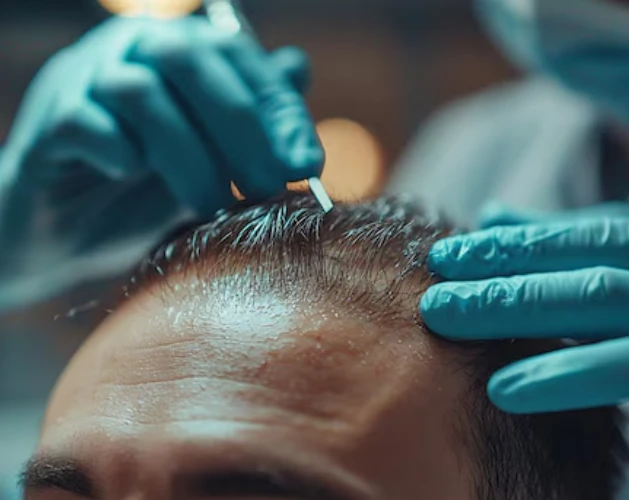
- GFC Hair Therapy- This is a non-surgical, advanced version of PR-P hair therapy, in which patients’ pure growth factors are injected into hair-loss-affected areas to activate hair follicles and reduce hair loss.
The growth factor extraction is done by drawing a small amount of the patient’s blood, as for a blood test, then centrifuging it after standing it in a special activation solution for a period of time. The blood plate-lets release growth factors, which are collected in a syringe for further use.
- Mesotherapy- This is an injectable therapy in which the practitioner microinjects a custom blend of essential vitamins, minerals, amino acids, and other hair-growth-promoting agents into the scalp's mesoderm. It helps reduce hair loss by optimising nutrient delivery, balancing DH-T hormone, encouraging blood circulation, and even boosting collagen production. Also mesotherapy results varies depending on the cocktail used; it may help some patients, but it isn’t a standalone replacement for proven therapies.
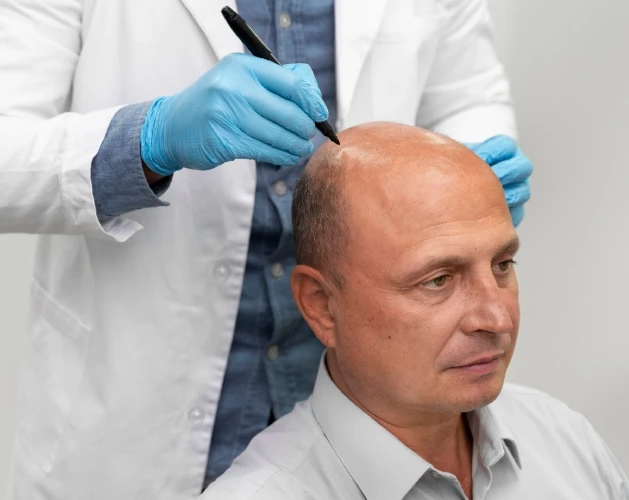
- Hair Transplant- This is the surgical approach to regrowing lost hair. It involves relocating healthy, genetically hair-shedding-resistant hair follicles from the back or sides of the scalp to hair-thinning or balding areas. There are different approaches to this, such as FUT, FUE, and HAIR-ART. It is considered when all other treatments fail, and the female is suffering from advanced hair loss.
What Other Options Help Manage Female Hair Loss?
Following are the most promising treatments that are effective in female hair loss management:
- Topicals- Minoxidil may be prescribed by the doctor for managing female pattern hair thinning or hair loss. It must be used consistently for 6-12 months to prolong the anagen/growth phase of the hair growth cycle, stimulate hair follicles to regrow hair, and sometimes thicken existing hair. Other potential topicals that promise hair regrowth include rosemary oil, coffee extract, lata-noprost, and corticosteroids.
- Injectables- For women suffering from alopecia areata, an inflammatory or autoimmune-mediated hair loss, corticosteroid injections are provided to suppress the immune system and allow hair to regrow. Another injectable promising as an adjuvant for female hair loss treatment is plate-let-rich plas-ma. These work to stimulate the dormant hair follicles, improve blood supply, and increase hair thickness and density.
- Hormonal Treatments- Women suffering from hair loss due to andr-ogen excess are prescribed anti-andr-ogen medications like Spir-onolactone.
- Low-Level Laser Light Therapy- LED or laser light fitted combs, helmets, or devices are available to boost blood flow in the areas of hair loss and stimulate hair follicles to grow healthy, thick hair. Usually, it is considered the best complement for topical/injectable therapies for those women experiencing early hair thinning.
- Scalp Microneedling- Tiny, sterile needles are used to create micropunctures in the scalp, which prompts collagen production and encourages hair regrowth by stimulating the stem cells in the hair follicles. The micropunctures even act as microchannels for optimal absorption of topicals and injectables used to regrow hair. Microneedling may improve the response to topical treatments in some patients, though individual outcomes may vary.
- Lifestyle, Nutrition, and Scalp/Hair Care- Most women suffering from hair loss overlook all this. To maintain healthy hair growth, everyone should have a diet rich in protein, iron, omega-3 fatty acids, vitamins, and minerals. They should be following a gentle hair care regimen- no tight hairstyles, excessive heat hair styling, and chemical-based hair treatments. Also, adopting healthy lifestyle habits, such as adequate sleep, stress management, sufficient water intake, and overall wellness, helps maintain a normal hair growth cycle.
What Are the Signs That One Needs to Consult a Hair Loss Specialist?
If you experience the following concerns, consult a specialist.
- Thinner ponytails
- Feelings of hair breakage
- Noticeably higher shedding than your usual baseline for 6–8 weeks
- Visible scalp skin through hair
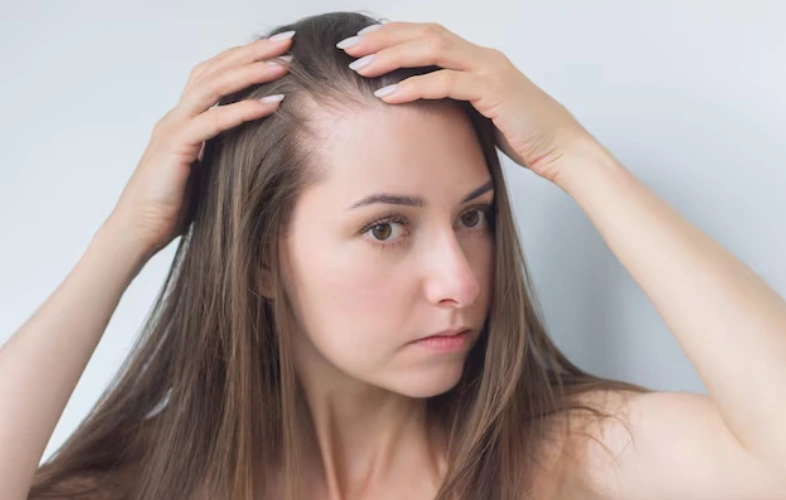
- Noticeable spots or patches of thinner, sparse, or absent hair, including widening parts at the top of the head.
What Causes Hair Loss in Females?
Because female hair loss can be temporary, progressive, or inflammatory, the “best treatment” is always diagnosis-led. Triggers like stress, illness, diet changes, thyroid/iron imbalance, and postpartum shifts can cause temporary shedding.
Pattern hair loss tends to be gradual and needs long-term care. Scalp conditions (including dandruff) can worsen shedding due to irritation, but typically require a scalp and blood-work evaluation to confirm what’s really driving the hair fall. Women can experience hair loss due to other reasons, including:
- Heat hair styling
- Damaged hair follicles
- Chemical-based hair treatments
- Excessive stress (Telogen effluvium)
- Nutrient deficiency (Telogen effluvium)
- Rapid weight loss or change in eating habits (Telogen effluvium)
- Hormonal fluctuations during pregnancy and menopause (Telogen effluvium)
- An underlying illness like anaemia or thyroid issue (Telogen effluvium)
- Autoimmune-mediated, inflammatory condition (Alopecia areata)
- Radiation treatments or chemotherapy (Anagen effluvium)
- Scalp inflammation or infections (e.g., seborrheic dermatitis/dandruff, fungal infections) can worsen shedding
- Genetic predisposition (Androgenetic alopecia- pattern hair loss)
- Certain medications and supplements, such as gout medications, blood pressure medications, and Vitamin A supplements, can cause Telogen effluvium.
Get a Combined, Tailored Plan for Female Hair Loss from Dr. Shilpi Bhadani
The surgeon and clinic you choose will decide on the result that your hair transplant surgery will yield. By result, it means the natural, long-term, healthy hair restoration in hair thinning or balding areas. In Gurgaon, SB Trichology Clinic has the most reliable and experienced hair restoration experts, a highly proficient team offering best treatments for female hair loss issues,
If you reside in Gurgaon and desire thicker, healthier hair, consult Dr. Shilpi Bhadani, female hair loss specialist at SB Trichology Clinic can help with her expertise, treatment, and skills.With years of experience and expertise in handling simple to challenging cases of female hair loss, she offers advanced treatments and a customised, comprehensive hair care plan at a budget-friendly expense.
She provides treatment for widening part lines or round bald patches showing up, with or without an itchy/flaky scalp.
Also, if experiencing excessive hair shedding for the past 2-3 months or sudden hair fall following an illness or pregnancy. Early intervention and treatment can prevent future hair loss and help women manage it effectively.
Patients who seek hair transplant surgery from Dr. Shilpi Bhadani and her team in Gurgaon benefit from:
- Utmost surgical precision
- International standards of hygiene and safety
- Full support and guidance before and after hair transplantation
- A thorough consultation and hair loss assessment
- Use of the most suitable, advanced hair transplant approach
- Maximal survival of hair grafts and sustainable results
- Personalised, most natural-looking hairline restoration, complementing the face.
With all attention on providing seamless, long-lasting outcomes and patients’ safety, comfort, and confidence, Dr. Shilpi Bhadani and her team work every day to reward every patient with a satisfactory hair transplant journey.
Visit SB Trichology Clinic for details.
Commonly Asked Questions By Female Patients Experiencing Hair Loss
How does a hair loss expert confirm female hair loss?
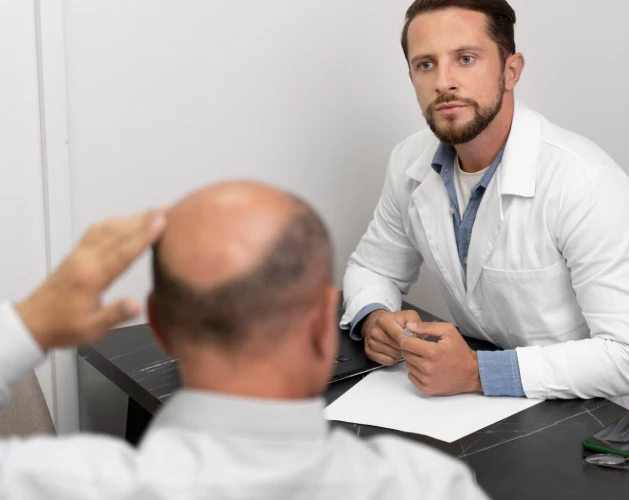
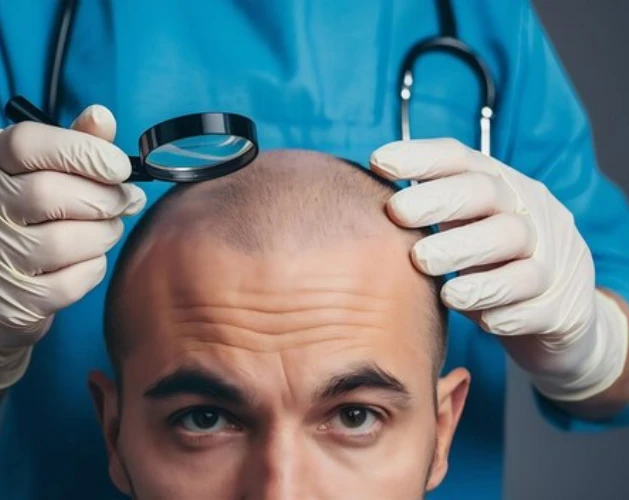
A hair loss expert conducts a thorough, visual scalp and hair examination and a gentle hair-pulling test. Order some blood tests to check for hormonal shifts, deficiencies, or illnesses that could cause hair loss and, in some cases, a scalp biopsy to differentiate between scarring and non-scarring alopecia. Also, review the patient’s medical records and evaluate diet and haircare routine.
Is female hair loss permanent?
Hereditary pattern hair loss in females is a progressive and permanent concern if not appropriately and timely addressed. With a personalised dermatologist treatment plan, such hair loss can be delayed, well-managed, and even restored. But females can also suffer from temporary and treatment-reversible hair loss due to an illness, stress, or nutritional deficiency.
Can female hair loss be prevented?
Not every cause of female hair loss is avoidable. Temporary types of female hair loss are usually preventable with a healthy hair diet, proper scalp and hair care routine, healthy stress management, wearing simple hairstyles, using natural hair care products, and avoiding heat or chemical-based hair treatments or styling.
Is female hair loss reversible?
In most cases, yes. Hair loss resulting from excessive stress, hormonal shifts, nutrient deficiency, poor hair care, or scalp issues is all reversible. However, genetically induced hair loss is progressive and cannot be reversed if not early spotted and adequately managed. With proper treatment, dormant hair follicles can start growing hair again. In areas of baldness or severe hair thinning, a hair transplant can only help get a head full of hair.
What is the most effective treatment for female hair loss?
A trichologist or hair restoration specialist can only help identify the best-suited solution for hair loss after knowing the specific type of hair loss and its extent. For most patients, a multimodal, tailored approach including in-clinic treatment and proper haircare/lifestyle, provides optimal, long-lasting, healthy, thicker hair growth.

 August 24, 2026